RhizoGrid Indexed Sorghum Rhizosphere Multi-Omics Identification of spatially resolved biomarkers of drought in Sorghum bicolor rhizosphere molecular-microbe interactions using a novel root cartography "RhizoGrid" system for sampling plants under drought and control conditions across 10 equally...

Filter results
Category
- Scientific Discovery (240)
- Biology (160)
- Earth System Science (108)
- Human Health (74)
- Integrative Omics (74)
- Microbiome Science (24)
- National Security (22)
- Energy Resiliency (15)
- Computing & Analytics (13)
- Renewable Energy (10)
- Chemical & Biological Signatures Science (7)
- Computational Research (7)
- Weapons of Mass Effect (7)
- Data Analytics & Machine Learning (6)
- Visual Analytics (6)
- Water Power (6)
- Atmospheric Science (5)
- Data Analytics & Machine Learning (4)
- Materials Science (4)
- Coastal Science (3)
- Computational Mathematics & Statistics (3)
- Ecosystem Science (3)
- Bioenergy Technologies (2)
- Chemistry (2)
- Cybersecurity (2)
- Distribution (2)
- Electric Grid Modernization (2)
- Energy Storage (2)
- Grid Cybersecurity (2)
- Plant Science (2)
- Solar Energy (2)
- Subsurface Science (2)
- Transportation (2)
- Chemical Physics (1)
- Computational Mathematics & Statistics (1)
- Energy Efficiency (1)
- Grid Analytics (1)
- High-Performance Computing (1)
- Terrestrial Aquatics (1)
- Wind Energy (1)
Dataset Type
- Omics (128)
- Proteomics (66)
- Transcriptomics (57)
- Sequencing (56)
- Metabolomics (36)
- Lipidomics (31)
- Simulation Results (24)
- Amplicon (16S, ITS) (17)
- RNA-Seq (mRNA,miRNA) (13)
- Metagenomics (11)
- Microarray (9)
- Computed Analysis (8)
- Genomics (7)
- Microscopy (7)
- Geospacial (5)
- ChIP-seq (4)
- Electron Microscopy (3)
- Mass Spectra (2)
- Phenomics (2)
- Staff (2)
- Cybersecurity (1)
- Electromagnetic Spectrum (1)
- Metatranscriptomics (1)
- Raw Image (1)
- Whole genome sequencing (WGS) (1)
Tags
- Virology (61)
- Immune Response (46)
- Time Sampled Measurement Datasets (46)
- Differential Expression Analysis (41)
- Gene expression profile data (40)
- Homo sapiens (37)
- Mass spectrometry data (25)
- Multi-Omics (24)
- MERS-CoV (16)
- Mus musculus (16)
- Predictive Phenomics (16)
- Soil Microbiology (15)
- Viruses (14)
- Health (13)
- Virus (13)
- West Nile virus (11)
- Mass Spectrometry (10)
- sequencing (10)
- Synthetic (10)
- Influenza A (9)
- Proteomics (9)
- Ebola (7)
- Metagenomics (7)
- Hydropower (6)
- Resource Metadata (6)
- S. elongatus PCC 7942 (6)
- HCoV-299E (5)
- Microarray (5)
- Tandem Mass Tag (5)
- Water Resources (5)
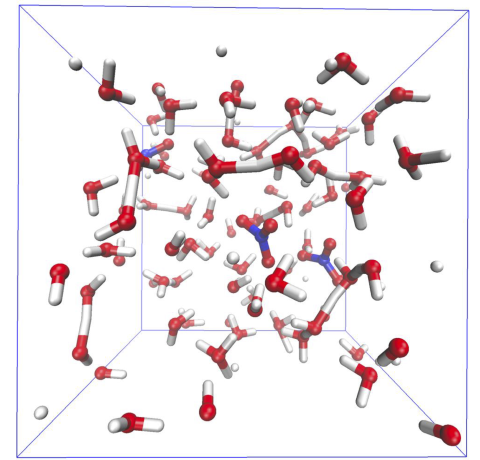
This dataset was generated using an iterative active learning strategy with the ArcaNN software package ( https://github.com/arcann-chem/arcann_training ) to train machine-learning interatomic potentials (MLIPs) for aqueous nitric acid. Each active-learning cycle consisted of three stages: (1)...
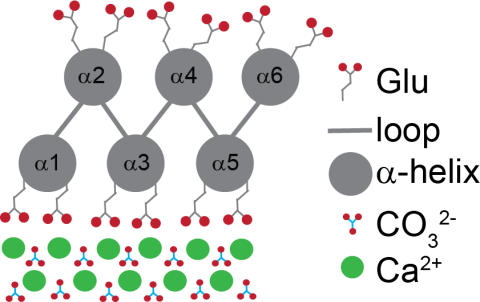
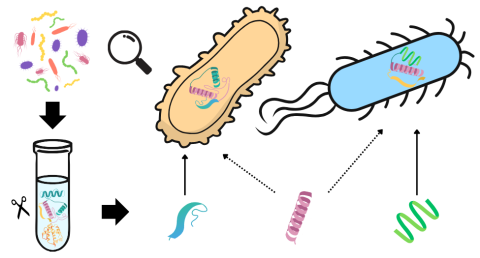
Biomineralization is the process by which organisms use biomolecules to produce hierarchically structured organic-inorganic composites. Using biology as inspiration, a protein construct (FD31) was previously designed to accelerate formation of nano-calcite with an unconventional {110} face. To...
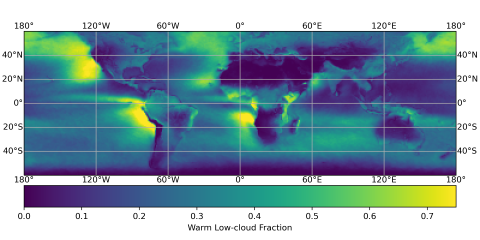
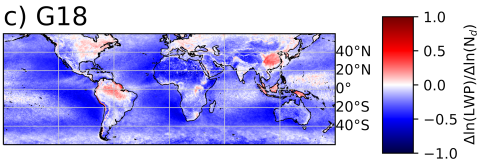
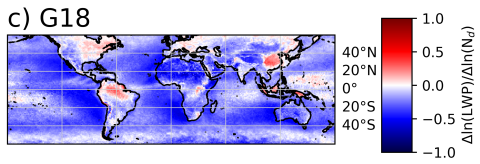
The SATELLITE_EAGLES_PNNL NetCDF dataset contains a suite of satellite- and reanalysis-derived atmospheric and surface parameters on a regular latitude–longitude grid. The dataset includes core geophysical fields such as land fraction, aerosol optical depth at multiple wavelengths (465, 550, 667...
The SATELLITE_EAGLES_PNNL NetCDF dataset contains a suite of satellite- and reanalysis-derived atmospheric and surface parameters on a regular 18 × 36 latitude–longitude grid. The dataset includes core geophysical fields such as land fraction, aerosol optical depth at multiple wavelengths (465, 550...
The SATELLITE_EAGLES_PNNL NetCDF dataset contains a suite of satellite- and reanalysis-derived atmospheric and surface parameters on a regular latitude–longitude grid for 6 different spatial resolutions (10, 5, 1, 0.5, 0.1, and 0.05 degree resolutions). The dataset includes core geophysical fields...
This data package contains processed LC-MS proteomics results and analysis scripts associated with the paper "Assessment of Protein Inference Methods for Metaproteomics". In this study, we designed an artificial microbial community to create a simulated metaproteomic dataset which intentionally...
Category
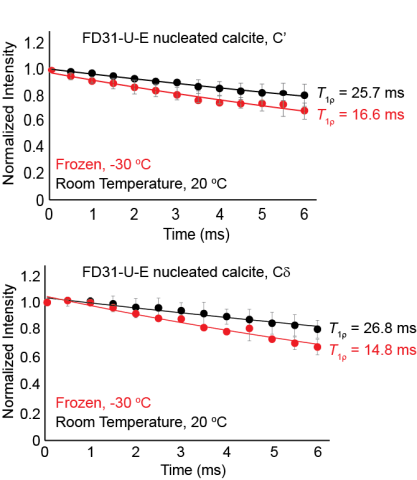
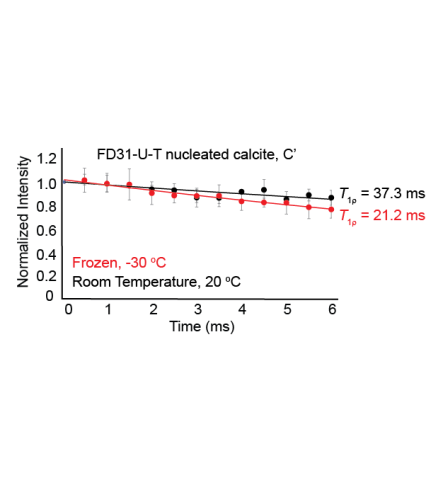
Raw data for all three trials used to calculate the T1rho value for FD31-U-E nucleated calcite at both room temperature and frozen. This data shows that both the FD31 backbone and sidechain carbonyls in glutamic are immobile in nucleated calcite on the millisecond timescale at both temperatures.
Solid state NMR CP-MAS 1H{13C} spectrum of FD31*-Edelta in the lyophilized state without calcite, showing that there are two distinct populations present even without surface.
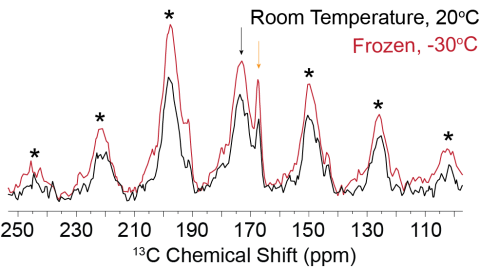
Comparison of frozen and room temperature 1H-13C CP-MAS spectra for FD31-U-T nucleated calcite show that the threonine backbone carbonyl is immobile at both temperatures on the ~500 microsecond timescale. A slight decrease in signal to noise between the room temperature and frozen spectra does...
Circular dichroism data showing that both FD31 and FD31* adopt identical helical secondary structures in solution.
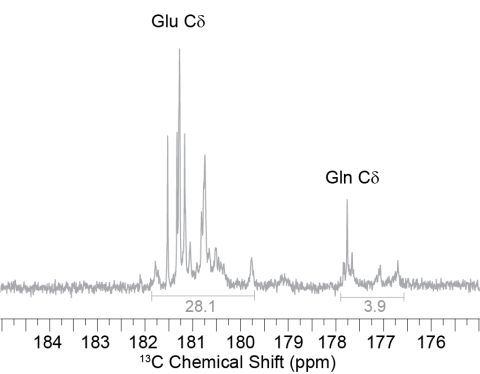
Solution NMR spectra of FD31*-Edelta dissolve in D2O, showing the distribution of peaks for glutamic acid (~180 ppm) and glutamine (~174 ppm), the latter of which was labeled via scrambling.
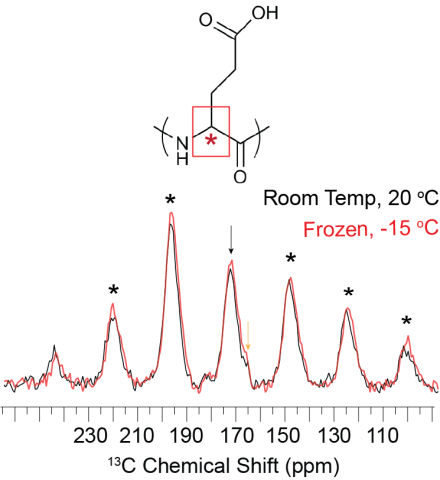
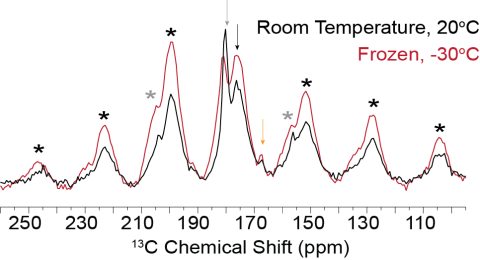
Room temperature and frozen CP-MAS spectra of FD31*-E' nucleated calcite showing the overall CSA pattern does not change as a function of temperature. The FD31* Glu backbone carbonyl appears to be immobile on the ~500 microsecond timescale under both temperature conditions.
Room temperature and frozen CP-MAS spectra of FD31*-Edelta nucleated calcite showing the overall CSA pattern does not change as a function of temperature. The FD31* Glu sidechain carbonyl appears to be mobile on the ~500 microsecond timescale under both temperature conditions.