
ABSTRACT Climate change is causing an increase in drought in many soil ecosystems and a loss of soil organic carbon. Calcareous soils may partially mitigate these losses via carbon capture and storage. Here, we aimed to determine how irrigation-supplied soil moisture and perennial plants impact...
Showing 121 - 135 of 177
Abstract Microbial response to changing environmental factors influences the fate of soil organic carbon, and drought has been shown to affect microbial metabolism and respiration. We hypothesized that the access of microbes to different carbon pools in response to dry–rewet events occurs...
Category
Publication
Introduction: Understanding how microorganisms within a soil community interact to support collective respiration and growth remains challenging. Here, we used a model substrate, chitin, and a synthetic Model Soil Consortium (MSC-2) to investigate how individual members of a microbial community...
Category
Publication
The soil microbiome’s role in regulating biogeochemical processing is critical to the cycling and storage of soil organic carbon (C). The function of the microbiome under different land management uses has become a focal area of research due to the interest in managing soil C to mitigate climate...
Category
Soil microorganisms carry out important processes, including support of plant growth and cycling of carbon and other nutrients. However, the majority of soil microbes have not yet been isolated and their functions are largely unknown. Although metagenomic sequencing reveals microbial identities and...
Category
"Moisture modulates soil reservoirs of active DNA and RNA viruses" Soil is known to harbor viruses, but the majority are uncharacterized and their responses to environmental changes are unknown. Here, we used a multi-omics approach (metagenomics, metatranscriptomics and metaproteomics) to detect...
The Human Islet Research Network (HIRN) is a large consortia with many research projects focused on understanding how beta cells are lost in type 1 diabetics (T1D) with a goal of finding how to protect against or replace the loss of functional beta cells. The consortia has multiple branches of...
Category
Datasets
1

Predictive Phenomics Initiative (PPI) Project Data Catalog Collection The Predictive Phenomics Initiative (PPI) is an internal LDRD investment at Pacific Northwest National Laboratory focused on unraveling the mysteries of molecular function in complex biological systems. Explore PPI research...
Category
Datasets
21
Person
David Degnan is a biological data scientist who develops bioinformatic and statistical pipelines for multi-omics data, specifically the fields of proteomics, metabolomics, and multi-omics (phenotypic) data integration. He has experience with top-down & bottom-up proteomics analysis, genomics &...

Agriculture is the largest source of greenhouse gases (GHG) production. Conversion of nitrogen fertilizers into more reduced forms by microbes through a process known as biological nitrification drives GHG production, enhances proliferation of toxic algal blooms, and increases cost of crop...
Publication
The rhizosphere represents a dynamic and complex interface between plant hosts and the microbial community found in the surrounding soil. While it is recognized that manipulating the rhizosphere has the potential to improve plant fitness and health, engineering the rhizosphere microbiome through...
Person
Short Biography Caroline (Carrie) Harwood received her Ph.D. in microbiology from the University of Massachusetts and completed postdoctoral work at Yale University. She held academic appointments at Cornell University and the University of Iowa before moving to the University of Washington in 2005...
Category

Data Source
The Sequel II System Sequencer is a high-throughput DNA sequencer machine developed and manufactured by PacBio , and is designed for high throughput, production-scale sequencing laboratories. Originally released in 2015, the Sequel system provides Single Molecule, Real-Time (SMRT) sequencing core...

Data Source
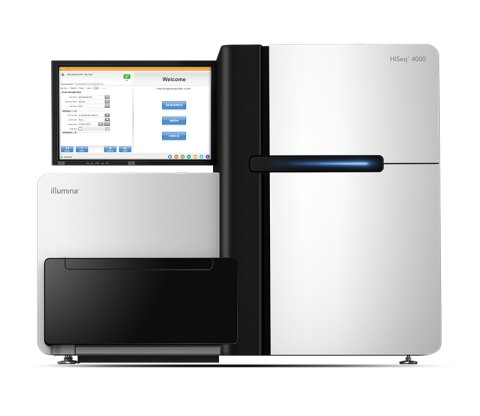
The Illumina HiSeq 4000 System Sequencer is a high-throughput DNA sequencer machine developed and manufactured by Illumina , and is designed for high throughput, production-scale sequencing laboratories. Built off the HiSeq 2500 System and harnessing the patterned flow cell technology originally...
Last updated on 2023-02-23T19:37:46+00:00 by LN Anderson PerCon SFA Project Publication Experimental Data Catalog The Persistence Control of Engineered Functions in Complex Soil Microbiomes Project (PerCon SFA) at Pacific Northwest National Laboratory ( PNNL ) is a Genomic Sciences Program...
Datasets
5
