Showing 121 - 135 of 178

Introduction: Understanding how microorganisms within a soil community interact to support collective respiration and growth remains challenging. Here, we used a model substrate, chitin, and a synthetic Model Soil Consortium (MSC-2) to investigate how individual members of a microbial community...


Soil microorganisms carry out important processes, including support of plant growth and cycling of carbon and other nutrients. However, the majority of soil microbes have not yet been isolated and their functions are largely unknown. Although metagenomic sequencing reveals microbial identities and...

"Moisture modulates soil reservoirs of active DNA and RNA viruses" Soil is known to harbor viruses, but the majority are uncharacterized and their responses to environmental changes are unknown. Here, we used a multi-omics approach (metagenomics, metatranscriptomics and metaproteomics) to detect...

The rhizosphere represents a dynamic and complex interface between plant hosts and the microbial community found in the surrounding soil. While it is recognized that manipulating the rhizosphere has the potential to improve plant fitness and health, engineering the rhizosphere microbiome through...

Agriculture is the largest source of greenhouse gases (GHG) production. Conversion of nitrogen fertilizers into more reduced forms by microbes through a process known as biological nitrification drives GHG production, enhances proliferation of toxic algal blooms, and increases cost of crop...

Short Biography Caroline (Carrie) Harwood received her Ph.D. in microbiology from the University of Massachusetts and completed postdoctoral work at Yale University. She held academic appointments at Cornell University and the University of Iowa before moving to the University of Washington in 2005...

Biography Dr. Smith's research interests span the development of advanced analytical methods and instrumentation, with particular emphasis on high-resolution separations and mass spectrometry, and their applications in biological and biomedical research. This has included creating and applying new...

Biography Young-Mo Kim is a senior bioanalytical chemist at PNNL. He received his PhD from Pohang University of Science and Technology in the School of Environmental Science and Engineering, studying analysis of metabolites during the bacterial and fungal degradation of xenobiotic substrates using...

Elise Van Fossen is a Post-Doctorate Research Associate in the Biological Sciences Division. Her research focuses on developing synthetic and chemical biology techniques for microorganism engineering.

The Sequel II System Sequencer is a high-throughput DNA sequencer machine developed and manufactured by PacBio , and is designed for high throughput, production-scale sequencing laboratories. Originally released in 2015, the Sequel system provides Single Molecule, Real-Time (SMRT) sequencing core...

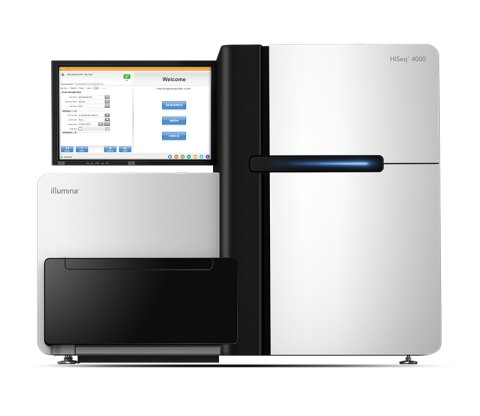
The Illumina HiSeq 4000 System Sequencer is a high-throughput DNA sequencer machine developed and manufactured by Illumina , and is designed for high throughput, production-scale sequencing laboratories. Built off the HiSeq 2500 System and harnessing the patterned flow cell technology originally...

PerCon SFA, Co-Investigator Vivian Lin earned her PhD in organic chemistry from the University of California, Berkeley with Professor Chris Chang, developing fluorescent probes for imaging redox active small molecules. Afterward, she traveled to Switzerland for a postdoctoral fellowship in the...

Last updated on 2023-02-23T19:37:46+00:00 by LN Anderson PerCon SFA Project Publication Experimental Data Catalog The Persistence Control of Engineered Functions in Complex Soil Microbiomes Project (PerCon SFA) at Pacific Northwest National Laboratory ( PNNL ) is a Genomic Sciences Program...

  1. Datasets

    5

"Visualizing the Hidden Half: Plant-Microbe Interactions in the Rhizosphere" Plant roots and the associated rhizosphere constitute a dynamic environment that fosters numerous intra- and interkingdom interactions, including metabolite exchange between plants and soil mediated by root exudates and the...

Pending Review Microbiomes contribute to multiple ecosystem services by transforming organic matter in soil. Extreme shifts in the environment, such as drying-rewetting cycles during drought, can impact microbial metabolism of organic matter by altering their physiology and function. These...