Showing 166 - 180 of 202

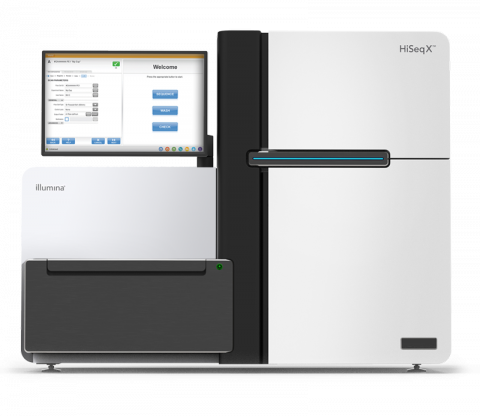
The Illumina HiSeq X System Sequencer is a high-throughput DNA sequencer machine developed and manufactured by Illumina , and is designed for high throughput, production-scale sequencing laboratories. Built off the HiSeq 2500 System, harnessing the patterned flow cell technology originally developed...

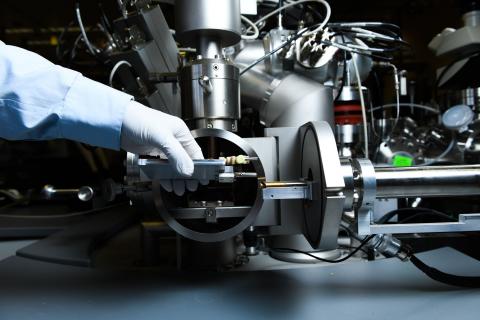
Stanford Synchrotron Radiation Lightsource Experimental Station 14-3b is a bending magnet side station dedicated to X-Ray Imaging and Micro X-Ray Absorption Spectroscopy of biological, biomedical, materials, and geological samples. Station 14-3b is equipped with specialized instrumentation for XRF...

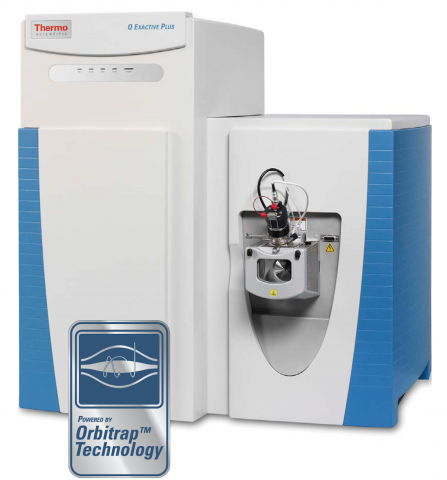
Last updated on 2025-02-03T23:25:06+00:00 by LN Anderson The Thermo Scientific™ Q Exactive™ Plus Mass Spectrometer benchtop LC-MS/MS system combines quadruple precursor ion selection with high-resolution, accurate-mass (HRAM) Orbitrap detection to deliver exceptional performance and versatility...

Soil fungi facilitate the translocation of inorganic nutrients from soil minerals to other microorganisms and plants. This ability is particularly advantageous in impoverished soils, because fungal mycelial networks can bridge otherwise spatially disconnected and inaccessible nutrient hotspots...

Data Science & Biostatistics

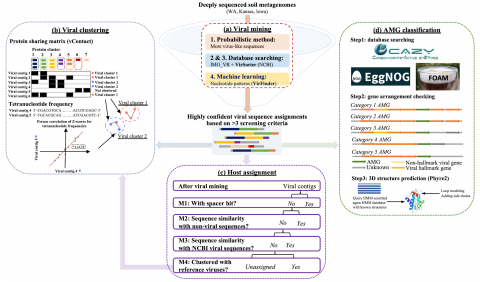
Viral communities detected from three large grassland soil metagenomes with historically different precipitation moisture regimes.

Code pertaining to the Soil Microbiome SFA Project publication data visualizations 'DNA viral diversity, abundance and functional potential vary across grassland soils with a range of historical moisture regimes' for processing publication data downloads.

Viral communities detected from three large grassland soil metagenomes with historically different precipitation moisture regimes.

Viral communities detected from three large grassland soil metagenomes with historically different precipitation moisture regimes.

Dr. Paul Piehowski is the Proteomics team leader for PNNL’s Environmental and Molecular Sciences Division and the Environmental Molecular Sciences Laboratory (EMSL) user program. Piehowski is an analytical chemist whose research is focused on the application of mass spectrometry to biological...

The Community Land Model (CLM) is an effective tool to simulate the biophysical and biogeochemical processes and their interactions with the atmosphere. Although CLM Version 5 (CLM5) constitutes various updates in these processes, its performance in simulating energy, water and carbon cycles over...
Washington State University Distinguished Graduate Research Program Program: Chemical Engineering WSU-PNNL Advisor: Aaron Wright
Earth Scientist Emily Graham is an quantitative ecosystem ecologist in the Biological Sciences Group at PNNL and is part of the Ecosystem Science Team. She is co-principal investigator of the Subsurface Biogeochemical Research Science Focus Area (SFA) and a key member of PNNL’s soil microbiome SFA...
Dr. Bernstein is an Associate Professor in UiT's Arctic Centre for Sustainable Energy (ARC). He specializes in genome-enabled bioengineering with microbes and microbial communities. His research is at the juxtaposition of biotechnology and microbial ecology as applied to the fields of sustainable...
Colin works in microbial ecology, focusing on informatics and visualization. Education: BS - Biology and Informatics - Juniata College