Showing 121 - 135 of 147

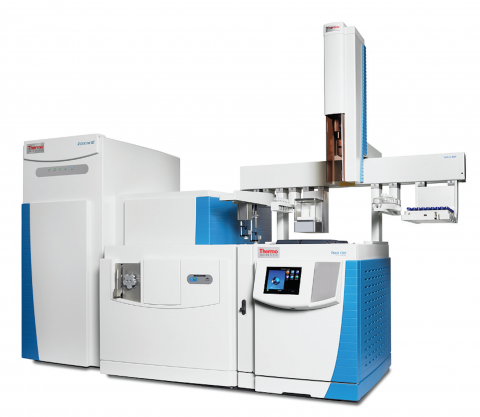
The Thermo Scientific™ Q Exactive™ GC hybrid quadrupole Orbitrap Mass Spectrometer provides an unmatched combination of sensitivity, mass-accuracy and resolving power in a single analysis for the highest confidence in compound discovery, identification, and quantitation. With best-in-class...

Last updated on 2025-02-03T23:25:06+00:00 by LN Anderson The Thermo Scientific™ Velos Pro™ Orbitrap Mass Spectrometer instrument data source combines advanced mass accuracy with an ultra-high resolution Orbitrap mass analyzer for increased sensitivity, enabling molecular weight determination for...

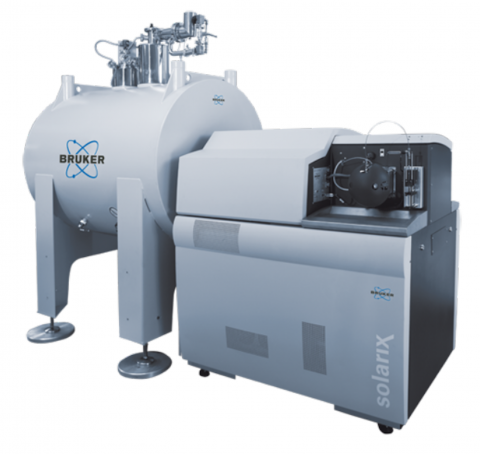
Last updated on 2025-02-03T23:25:06+00:00 by LN Anderson The Bruker Daltonics SolariX Magnetic Resonance Mass Spectrometry (MRMS) instruments are available for different magnetic field strengths of 7T, 12T and 15T. The SolariX XR and 2xR instruments use magnetron control technology and a newly...

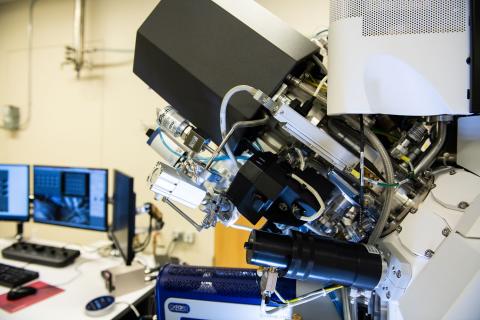
The innovative Elstar™ electron column forms the basis of the Helios NanoLab’s outstanding high resolution imaging performance. The Elstar features unique technologies, such as constant power lenses for higher thermal stability, electrostatic scanning for faster, higher accurate imaging, and unique...

The Nikon Eclipse Ti2-E is a motorized and intelligent model for advanced imaging applications. Compatible with PFS, auto correction collar, and external phase contrast system. The base of choice for live-cell imaging, high-content applications, confocal and super-resolution.As research trends...

The Biomedical Resilience & Readiness in Adverse Operating Environments (BRAVE) Project develop new capabilities to improve health and performance of first responders in adverse operating environments common to national defense. The BRAVE project analyze biological samples, collect physiological...
  1. Datasets

    1

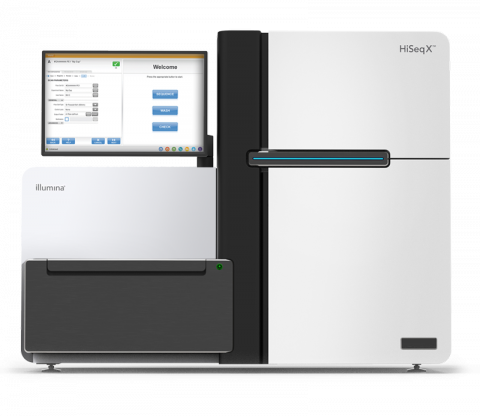
The Illumina HiSeq X System Sequencer is a high-throughput DNA sequencer machine developed and manufactured by Illumina , and is designed for high throughput, production-scale sequencing laboratories. Built off the HiSeq 2500 System, harnessing the patterned flow cell technology originally developed...

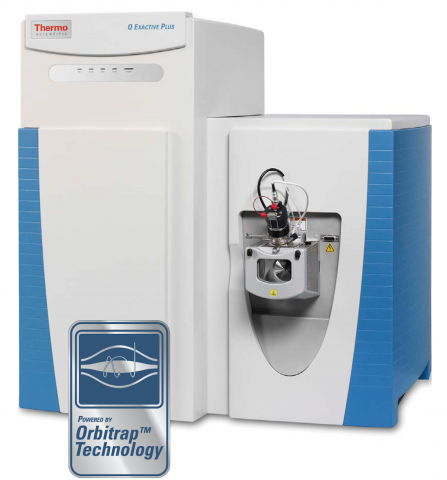
Last updated on 2025-02-03T23:25:06+00:00 by LN Anderson The Thermo Scientific™ Q Exactive™ Plus Mass Spectrometer benchtop LC-MS/MS system combines quadruple precursor ion selection with high-resolution, accurate-mass (HRAM) Orbitrap detection to deliver exceptional performance and versatility...

Last updated on 2024-02-11T22:41:43+00:00 by LN Anderson Omics-LHV Profiling of Host Response to Influenza A Virus Infection Background Influenza A virus ( IAV ) is a high risk biological agent belonging to the Orthomyxoviridae family is classified as a Category C priority pathogen by the National...

  1. Datasets

    8

Exhaled breath condensate proteomics represent a low-cost, non-invasive alternative for examining upper respiratory health. EBC has previously been used for the discovery and validation of detected exhaled volatiles and non-volatile biomarkers of disease related to upper respiratory system distress...

Citation: Gosline, S.J.C., Kim, D.N., Pande, P. et al. The Superfund Research Program Analytics Portal: linking environmental chemical exposure to biological phenotypes. Sci Data 10 , 151 (2023). https://doi.org/10.1038/s41597-023-02021-5 Funding Acknowledgments The research reported herein was...

OSU-PNNL Superfund Research Program Center is part of the Superfund Research Program (SRP) at Oregon State University, directed by Dr. Robyn Tanguay, bringing together a multidisciplinary team of experts with extensive experience in polycyclic aromatic hydrocarbons (PAHs) research. Using state-of...

  1. Datasets

    4
https://www.nih.gov/about-nih/what-we-do/mission-goals NIH’s mission is to seek fundamental knowledge about the nature and behavior of living systems and the application of that knowledge to enhance health, lengthen life, and reduce illness and disability. The goals of the agency are: to foster...
Despite high sequence similarity between pandemic and seasonal influenza viruses, there is extreme variation in host pathogenicity from one viral strain to the next. Identifying the underlying mechanisms of variability in pathogenicity is a critical task for understanding influenza virus infection...
The broad range and diversity of interferon-stimulated genes (ISGs) function to induce an antiviral state within the host, impeding viral pathogenesis. While successful respiratory viruses overcome individual ISG effectors, analysis of the global ISG response and subsequent viral antagonism has yet...