Showing 76 - 90 of 120

Last updated on 2024-02-11T22:41:43+00:00 by LN Anderson Interferon Experiment IFNFB001 The purpose of this experiment was to evaluate the human host cellular response to interferon alpha/beta (IFNα/β) or interferon gamma (IFNγ) treatment. Sample data was obtained from primary human lung fibroblast...

Last updated on 2024-02-11T22:41:43+00:00 by LN Anderson Interferon Experiment IFNaIHH001 The purpose of this experiment was to evaluate the host interferon-stimulated cellular response to interferon alpha (IFNα) treatment. Sample data was obtained from human immortalized human hepatocyte cells (IHH...

Last updated on 2024-02-11T22:41:43+00:00 by LN Anderson Interferon Experiment IFNaCL001 The purpose of this experiment was to evaluate the host interferon-stimulated cellular response to interferon alpha (IFNα) treatment. Sample data was obtained from human lung adenocarcinoma cells (Calu-3)...

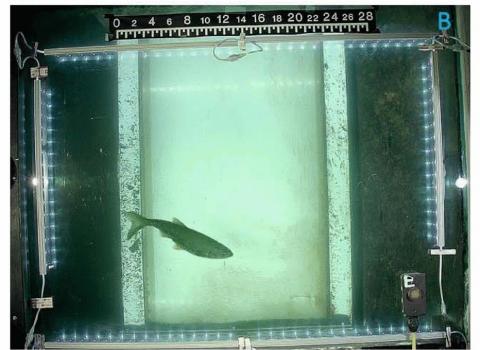
The EyeSea underwater video dataset was assembled for developing algorithms for detecting fish in real world underwater video data. The data were recorded as part of environmental monitoring efforts at three different water power sites. The Ocean Renewable Power Company (ORPC) data were recorded in...

Background In type 1 diabetes (T1D), autoimmune response and inflammation cause the death of pancreatic β cells, leading to the body’s inability to produce insulin and maintain glucose homeostasis. This process is at least in part mediated by pro-inflammatory cytokines, such as interferon (IFN)α...

  1. Datasets

    21

The Human Islet Research Network (HIRN) is a large consortia with many research projects focused on understanding how beta cells are lost in type 1 diabetics (T1D) with a goal of finding how to protect against or replace the loss of functional beta cells. The consortia has multiple branches of...

  1. Datasets

    1

Predictive Phenomics Initiative (PPI) Project Data Catalog Collection The Predictive Phenomics Initiative (PPI) is an internal LDRD investment at Pacific Northwest National Laboratory focused on unraveling the mysteries of molecular function in complex biological systems. Explore PPI research...

  1. Datasets

    18

David Degnan is a biological data scientist who develops bioinformatic and statistical pipelines for multi-omics data, specifically the fields of proteomics, metabolomics, and multi-omics (phenotypic) data integration. He has experience with top-down & bottom-up proteomics analysis, genomics &...

Biography Kristin Burnum-Johnson is a senior scientist and team lead of the Biomolecular Pathways team at PNNL. Burnum-Johnson earned her PhD in Biochemistry from Vanderbilt University with Professor Richard M. Caprioli and then completed a postdoctoral fellowship at PNNL with Dr. Richard D. Smith...

Biography Dr. Smith's research interests span the development of advanced analytical methods and instrumentation, with particular emphasis on high-resolution separations and mass spectrometry, and their applications in biological and biomedical research. This has included creating and applying new...

Biography Young-Mo Kim is a senior bioanalytical chemist at PNNL. He received his PhD from Pohang University of Science and Technology in the School of Environmental Science and Engineering, studying analysis of metabolites during the bacterial and fungal degradation of xenobiotic substrates using...

Biography Carrie Nicora is a senior research scientist (chemist III) at PNNL, specializing in high-throughput scientific research sample management using modular automation techniques for processing a wide range of biological specimens for proteomic, metabolomic, and lipidomic analysis. She is an...

Biography Kelly is a senior data scientist in the Computational Biology group within the Biological Sciences Division at Pacific Northwest National Laboratory (PNNL). After earning a MS in Biostatistics from the University of Washington in 2012, she worked at a cancer research company for two years...

The Human Islet Research Network (HIRN) is a large consortia with many research projects focused on understanding how beta cells are lost in type 1 diabetics (T1D) with a goal of finding how to protect against or replace the loss of functional beta cells. The consortia has multiple branches of...

  1. Datasets

    0

Machine learning is a core technology that is rapidly advancing within type 1 diabetes (T1D) research. Our Human Islet Research Network (HIRN) grant is studying early cellular response initiating β cell stress in T1D through the generation of heterogenous low- and high-throughput molecular...

  1. Datasets

    4