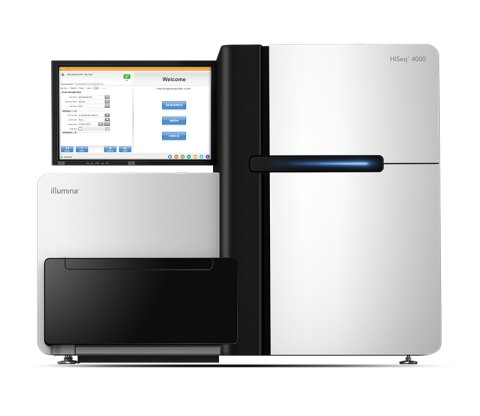
The Sequel II System Sequencer is a high-throughput DNA sequencer machine developed and manufactured by PacBio , and is designed for high throughput, production-scale sequencing laboratories. Originally released in 2015, the Sequel system provides Single Molecule, Real-Time (SMRT) sequencing core...
Filter results
Category
- (-) Human Health (113)
- (-) Microbiome Science (52)
- Scientific Discovery (409)
- Biology (288)
- Earth System Science (170)
- Integrative Omics (97)
- National Security (31)
- Computational Research (26)
- Energy Resiliency (22)
- Computing & Analytics (18)
- Renewable Energy (14)
- Chemical & Biological Signatures Science (11)
- Chemistry (11)
- Materials Science (11)
- Weapons of Mass Effect (11)
- Data Analytics & Machine Learning (10)
- Water Power (8)
- Computational Mathematics & Statistics (7)
- Data Analytics & Machine Learning (7)
- Atmospheric Science (6)
- Ecosystem Science (6)
- Visual Analytics (6)
- Coastal Science (4)
- Energy Storage (4)
- Plant Science (4)
- Solar Energy (4)
- Bioenergy Technologies (3)
- Energy Efficiency (3)
- Transportation (3)
- Cybersecurity (2)
- Distribution (2)
- Electric Grid Modernization (2)
- Grid Cybersecurity (2)
- Subsurface Science (2)
- Wind Energy (2)
- Advanced Lighting (1)
- Chemical Physics (1)
- Computational Mathematics & Statistics (1)
- Environmental Management (1)
- Federal Buildings (1)
- Geothermal Energy (1)
- Grid Analytics (1)
- Grid Energy Storage (1)
- High-Performance Computing (1)
- Terrestrial Aquatics (1)
- Vehicle Technologies (1)
- Waste Processing (1)
Tags
- Virology (77)
- Immune Response (51)
- Time Sampled Measurement Datasets (51)
- Differential Expression Analysis (46)
- Gene expression profile data (45)
- Homo sapiens (42)
- Mass spectrometry data (32)
- Multi-Omics (31)
- Viruses (24)
- Health (23)
- Virus (23)
- MERS-CoV (19)
- Mus musculus (18)
- West Nile virus (13)
- Omics (12)
- Influenza A (11)
- Predictive Phenomics (10)
- Ebola (9)
- High Throughput Sequencing (9)
- Mass Spectrometry (9)
- PerCon SFA (9)
- Genomics (7)
- Microarray (7)
- Type 1 Diabetes (7)
- HCoV-299E (6)
- Human Interferon (6)
- Machine Learning (6)
- Omics-LHV Project (6)
- Proteomics (6)
- Resource Metadata (6)
The Illumina HiSeq 4000 System Sequencer is a high-throughput DNA sequencer machine developed and manufactured by Illumina , and is designed for high throughput, production-scale sequencing laboratories. Built off the HiSeq 2500 System and harnessing the patterned flow cell technology originally...
Last updated on 2023-02-23T19:37:46+00:00 by LN Anderson PerCon SFA Project Publication Experimental Data Catalog The Persistence Control of Engineered Functions in Complex Soil Microbiomes Project (PerCon SFA) at Pacific Northwest National Laboratory ( PNNL ) is a Genomic Sciences Program...
Datasets
5
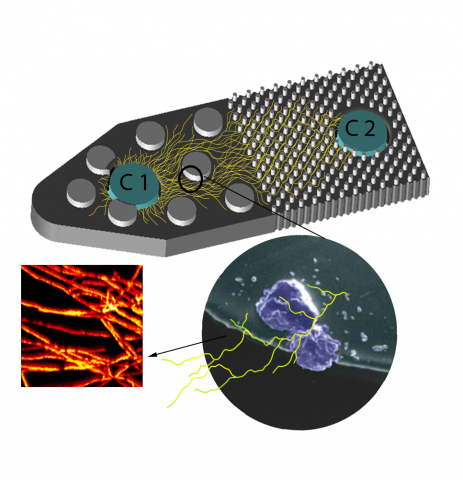
"Visualizing the Hidden Half: Plant-Microbe Interactions in the Rhizosphere" Plant roots and the associated rhizosphere constitute a dynamic environment that fosters numerous intra- and interkingdom interactions, including metabolite exchange between plants and soil mediated by root exudates and the...
Pending Review Microbiomes contribute to multiple ecosystem services by transforming organic matter in soil. Extreme shifts in the environment, such as drying-rewetting cycles during drought, can impact microbial metabolism of organic matter by altering their physiology and function. These...
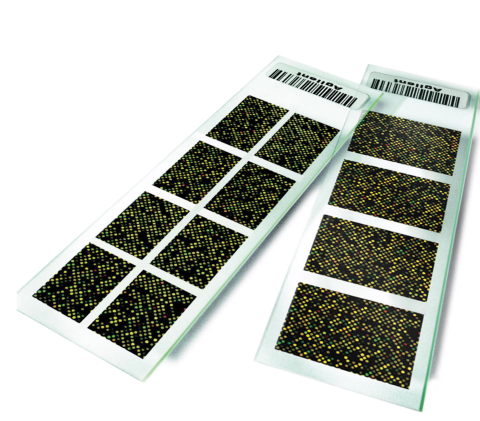
Last updated on 2023-04-24T18:38:03+00:00 by LN Anderson Instrument Data Source Profile Instrument Name: Agilent DNA Microarray Scanner Model: G25025C Data Type: Microarray hybridisation data (mRNA, miRNA) Method Taxon: Expression profiling by array, Non-coding RNA profiling by array Topic Areas...
Last updated on 2025-02-03T23:25:06+00:00 by LN Anderson The Thermo Scientificâ„¢ Velos Proâ„¢ Orbitrap Mass Spectrometer instrument data source combines advanced mass accuracy with an ultra-high resolution Orbitrap mass analyzer for increased sensitivity, enabling molecular weight determination for...
Fusarium sp. DS682 Proteogenomics Statistical Data Analysis of SFA dataset download: 10.25584/KSOmicsFspDS682/1766303 . GitHub Repository Source: https://github.com/lmbramer/Fusarium-sp.-DS-682-Proteogenomics MaxQuant Export Files (txt) Trelliscope Boxplots (jsonp) Fusarium Report (.Rmd, html)...
Spruce and Peatlands Responses Under Changing Environments (SPRUCE) site is the 8.1-ha S1 bog, a Picea mariana [black spruce] – Sphagnum spp. ombrotrophic bog forest in northern Minnesota, 40 km north of Grand Rapids, in the USDA Forest Service Marcell Experimental Forest (MEF). Two field research...
Category
Datasets
13
Datasets
1
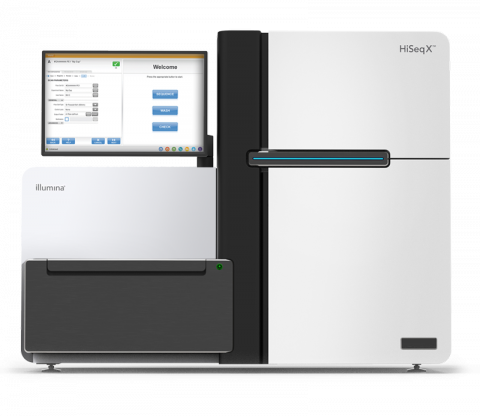
The Illumina HiSeq X System Sequencer is a high-throughput DNA sequencer machine developed and manufactured by Illumina , and is designed for high throughput, production-scale sequencing laboratories. Built off the HiSeq 2500 System, harnessing the patterned flow cell technology originally developed...
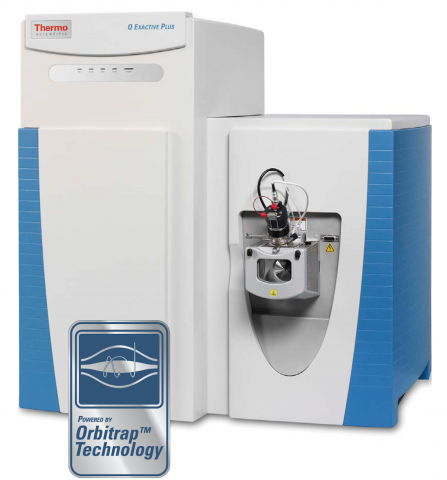
Last updated on 2025-02-03T23:25:06+00:00 by LN Anderson The Thermo Scientificâ„¢ Q Exactiveâ„¢ Plus Mass Spectrometer benchtop LC-MS/MS system combines quadruple precursor ion selection with high-resolution, accurate-mass (HRAM) Orbitrap detection to deliver exceptional performance and versatility...
Last updated on 2024-02-11T22:41:43+00:00 by LN Anderson Omics-LHV Profiling of Host Response to Influenza A Virus Infection Background Influenza A virus ( IAV ) is a high risk biological agent belonging to the Orthomyxoviridae family is classified as a Category C priority pathogen by the National...
Category
Datasets
8
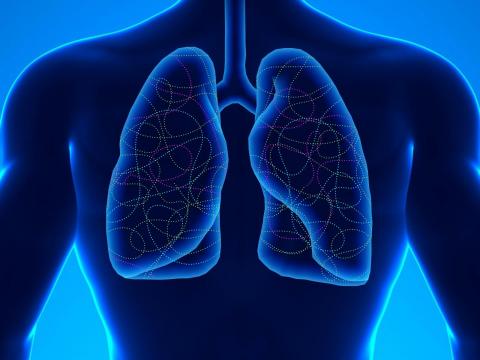
Exhaled breath condensate proteomics represent a low-cost, non-invasive alternative for examining upper respiratory health. EBC has previously been used for the discovery and validation of detected exhaled volatiles and non-volatile biomarkers of disease related to upper respiratory system distress...
Citation: Gosline, S.J.C., Kim, D.N., Pande, P. et al. The Superfund Research Program Analytics Portal: linking environmental chemical exposure to biological phenotypes. Sci Data 10 , 151 (2023). https://doi.org/10.1038/s41597-023-02021-5 Funding Acknowledgments The research reported herein was...