Showing 1 - 15 of 68

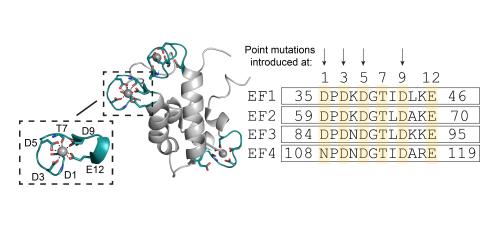
Rare earth elements (REEs) are essential to modern technologies, yet their high physical and chemical similarity makes separation of individual REEs difficult and environmentally taxing. Metalloproteins offer a promising alternative for selective REE binding, as they tend to have high metal ion...

  1. Datasets

    1

Background: New demands for water can be satisfied through a variety of source options. In some basins surface and/or groundwater may be available through permitting with the state water management agency (termed unappropriated water), alternatively water might be purchased and transferred out of...

  1. Datasets

    5

Framework for Optimizing Reliable Energy Systems and Infrastructure Given High-uncertainty Trajectories (FORESIGHT) The FORESIGHT initiative develops a first-of-its-kind multi-system operational and near-term planning framework to systematically account for evolving probabilities of weather extremes...

  1. Datasets

    0

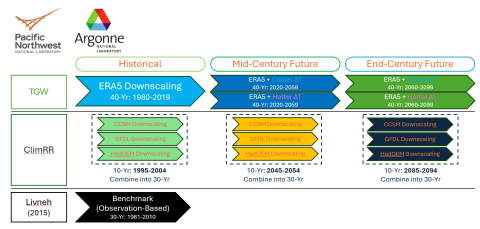
Problem Statement and Objectives : Climate datasets are available across many institutions. Understanding which one to use, or how to combine the datasets, and for which application, or/and which region, and/or which specific fundamental science question is a challenge. A multi-lab PNNL-ANL...

  1. Datasets

    9

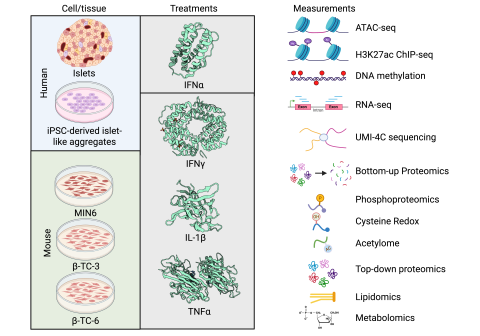
Background In type 1 diabetes (T1D), autoimmune response and inflammation cause the death of pancreatic β cells, leading to the body’s inability to produce insulin and maintain glucose homeostasis. This process is at least in part mediated by pro-inflammatory cytokines, such as interferon (IFN)α...

  1. Datasets

    21

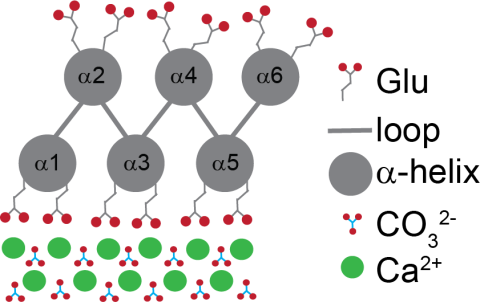
Biomineralization is the process by which organisms use biomolecules to produce hierarchically structured organic-inorganic composites. Using biology as inspiration, a protein construct (FD31) was previously designed to accelerate formation of nano-calcite with an unconventional {110} face. To...

  1. Datasets

    1

Current methods for product or material input-output inventory data often require significant time and effort from manufacturers to compile. Additionally, without a uniform methodology these can result in inconsistent datasets that are difficult for practitioners to evaluate and compare, even within...

  1. Datasets

    3

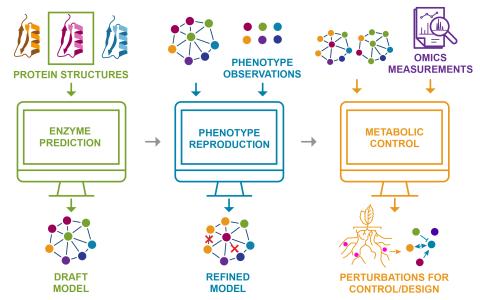
The overarching goal of this research is to predict and engineer robust microbial phenotypes under stressed conditions to accelerate and de-risk bioprocess development. Laboratory strains routinely fail to maintain productivity at industrial scales, in part due to bioprocess stresses and a limited...

  1. Datasets

    0

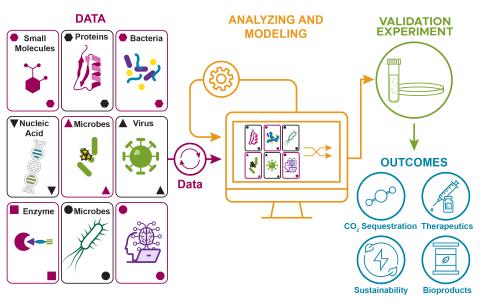
The research goal of this project is to develop a computational approach known as Variation-leveraged Phenomic Association Study (VaLPAS) to address the challenge of using functional dark matter (proteins, metabolites, lipids) for bioeconomy applications. The project has four objectives: 1...

  1. Datasets

    0

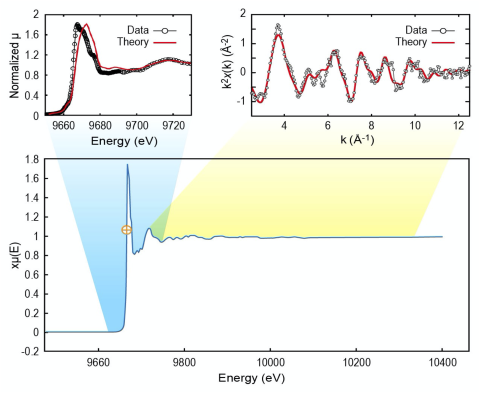
Extended X-ray absorption fine structure (EXAFS) spectroscopy is crucial for determining the coordination environment of impurities and dopants; however, it requires difficult measurements. X-ray absorption near edge structure (XANES) spectroscopy and X-ray emission spectroscopy (XES) can be...

  1. Datasets

    0

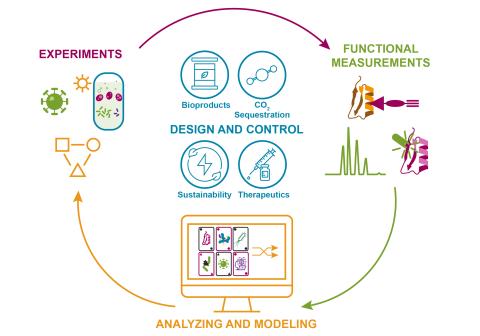
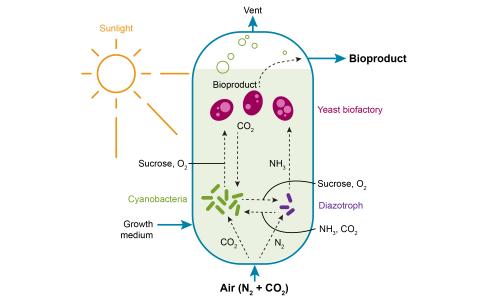
The research goal of this project is to establish model synthetic microbial communities to understand the rules regulating their biological function in order to utilize them as next generation bioproduction platforms capable of reducing carbon and nitrogen footprints in biomanufacturing processes.

  1. Datasets

    4

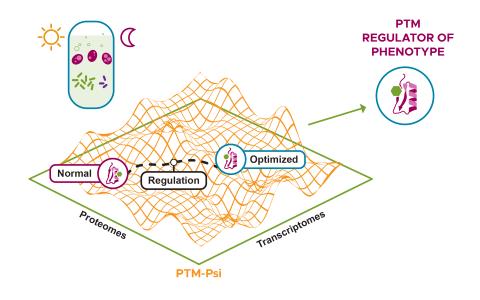
The research goal of this project is to develop computational methods to predict cell regulation phenotypes using small molecule and proteome data to understand outcomes in complex biological systems.

  1. Datasets

    0

By developing explainable, predictive metabolic models of individual microbes, we aim to design consortia that convert light and abundant atmospheric gases into high-value molecules through microbial division of labor.

  1. Datasets

    0

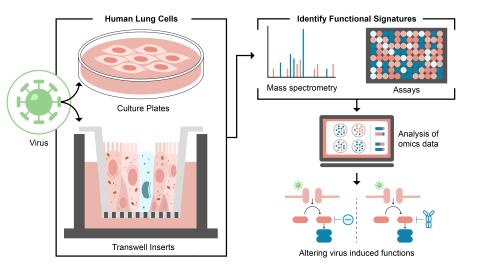
This project will improve current understanding of how viruses manipulate host environments. Use cutting edge, iterative proteomics and metabolomics tools in ex vivo primary human lung cultures that recapitulate the epithelium of the conducting airway and novel high throughput sample capture...

  1. Datasets

    5

The research goal of this project is to develop new theory and tools that leverage evolutionary perspectives and knowledge of the energetics of reactions to predict the most likely regulation in a given environment. These methods will accelerate exploration, modeling and understanding of cell...

  1. Datasets

    3